

 MyDaytonaState
 Falcon Online
 FalconMail
Hurricane Guide
Table of Contents
- Introduction
- 2026 Storm Names and Tracking Tools
- Preparation - What You Can Do
- Saffir-Simpson Scale and General Guide of Activities
- Hurricane Preparedness and Response
- Senior Executive Team
- Phone Numbers/Websites
- Disaster/Mass Care Shelters
- Evacuation Maps
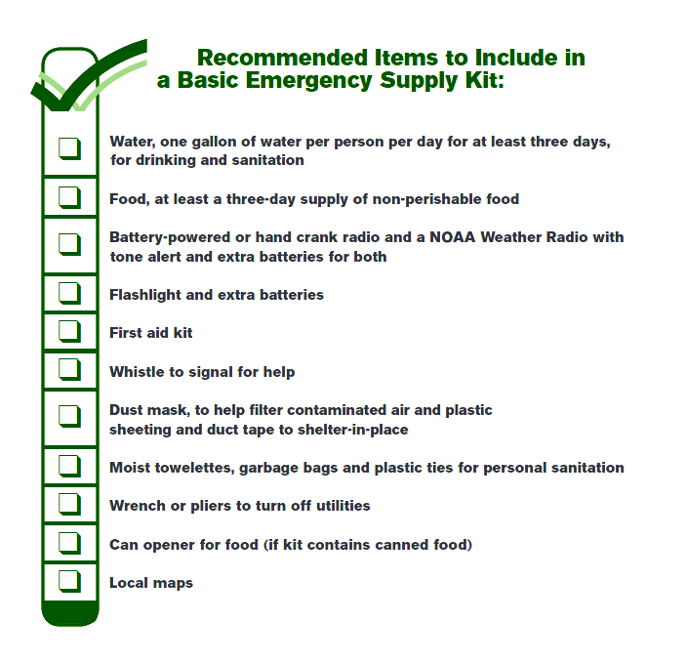
- Basic Emergency Supply Kit - Recommended Items
- Mass Notification Information
- Evacuation
- Student Residence Hall Hurricane Response
- Shelter In Place
- Post-Storm Safety
- Post-Storm: Insurance and FEMA
- Enhanced Fujita (EF) Tornado Damage Scale
- Atlantic Basin Seasonal Forecast 2026
- More Helpful Websites
 Introduction
In accordance with Policy 8.09, Daytona State College has established a Comprehensive Emergency Management Plan (CEMP), and a Continuity of Operations Plan (COOP) to deal with the various crises that might threaten the resources of the college, the physical safety of its employees, students and other stakeholders, and the public.
In accordance with Florida Statute #252.365, Lou Marino, Director of Campus Safety has been designated as the Emergency Coordinating Officer (ECO) for Daytona State College.
Due to the coastal locations of our campuses, hurricanes and tropical storms pose a significant threat to Daytona State College. This document serves as a quick reference guide for college personnel to plan for and react to a hurricane or tropical storm according to the guidelines in the CEMP and COOP.
This Hurricane Guide also provides information for personal safety and preparation for a hurricane or tropical storm, including links and contact information for useful county, state, and federal resources.
The Daytona State Comprehensive Emergency Management Plan is available to Daytona State employees in the Document Repository > Departments > Campus Safety folder.
Additional inquiries about hurricane preparedness and safety information can be directed to Daytona State Campus Safety.
- Campus Safety Emergency Dispatch – (386) 506-4444
- In case of power or network outage – (386) 258-7374
2026 Atlantic Storm Names
| Arthur | Hanna | Omar |
| Bertha | Isaias | Paulette |
| Cristobal | Josephine | Rene |
| Dolly | Kyle | Sally |
| Edouard | Leah | Teddy |
| Fay | Marco | Vicky |
| Gonzalo | Nana | Wilfred |
NOAA Hurricane Tracking Information
Printable Tracking Charts
https://www.nhc.noaa.gov/tracking_charts.shtml
The Daytona Beach Campus is located at coordinates N29.12, W81.02.
2026 Hurricane Season
Experts predict below average storm activity for the 2026 season. (Forecasts are not definite.) In any case, one storm can cause disaster. Here’s what you can do to prepare.
Know what a hurricane WATCH and WARNING means
- WATCH: Hurricane conditions are possible in the specified area, usually within 36 hours.
- WARNING: Hurricane conditions are expected in the specified area of the warning, usually within 24 hours.
Prepare a Personal Evacuation Plan
- Identify ahead of time where you could go if you are told to evacuate.
- Choose several places—a friend’s home in another town, a hotel, or a shelter.
- Keep the telephone numbers of these places handy as well as a road map of your locality. You may need to take alternative or unfamiliar routes if major roads are closed or clogged.
- Listen to NOAA Weather Radio or local radio or TV stations for evacuation instructions. If advised to evacuate, do so immediately.
Assemble a Disaster Supplies Kit containing
- First aid kit and essential meds
- Canned food and can opener
- At least 3 gallons of water per person
- Protective clothing, rainwear
- Bedding or sleeping bags
- Battery-powered radio, flashlight, and extra batteries
- Special items for infants, elderly, or disabled family members
- Food, water and special items for pets
Prepare for high winds
- Install hurricane shutters or purchase precut 1/2” outdoor plywood boards for each window of your home. Install anchors for the plywood and predrill holes in the plywood so that you can put it up quickly.
- Make trees more wind resistant by removing diseased and damaged limbs, then strategically removing branches so that wind can blow through.
Know what to do when a hurricane WATCH is issued
- Listen to NOAA Weather Radio or local radio or TV stations for up-to-date storm information.
- Prepare to bring inside any lawn furniture, outdoor decorations & ornaments, trashcans, hanging plants, and anything else that can be picked up by the wind.
- Prepare to cover all windows of your home. If shutters have not been installed, use precut plywood as described above. Note: Tape does not prevent windows from breaking, so taping windows is not recommended.
- Fill your car’s gas tank.
- Recheck manufactured home tie-downs.
- Check batteries and stock up on canned food, first aid supplies, drinking water and medications.
Know what to do when a Hurricane WARNING is issued
- Listen to the advice of local officials and leave if they tell you to do so.
- Complete preparation activities. If you are not advised to evacuate, stay indoors, away from windows.
- Be aware that the calm “eye” is deceptive; the storm is not over.
- The worst part of the storm will happen once the eye passes over and the winds blow from the opposite direction. Trees, shrubs, buildings, and other objects damaged by the first winds can be broken or destroyed by the second winds.
- Be alert for tornadoes. Tornadoes can happen during a hurricane and after it passes over. Remain indoors, in the center of your home, in a closet or bathroom without windows.
- Stay away from floodwaters. If you come upon a flooded road, turn around and go another way.
- If you are caught on a flooded road and waters are rising rapidly around you, get out of the car and climb to higher ground.
Know what to do after a hurricane is over
- Keep listening to NOAA Weather Radio or local radio or TV stations for instructions.
- If you are evacuated, return home when local officials tell you it is safe to do so.
- Inspect your home for damage.
- Always use flashlights; avoid using candles.
Daytona State - Emergency Broadcast Announcements
- In the event of a tropical storm or other emergency that causes the President to close one or all of the College's campuses, emergency announcements will be broadcast via the Daytona State College DSC Alert system, the College website, and the Daytona State College Facebook and Instagram pages. Students and employees can get updates on the status of the College during emergencies by calling (386) 506-HELP (4357).
DSC Alert
- The DSC Alert system may utilize text, phone calls, email, social media, and/or website
alerts to notify employees and students of emergencies and disaster related announcements.
The message is recorded and will:
- notify employees and students of a decision to close the College,
- request certain employees or volunteers to report to work, and/or
- announce that the College has reopened.
Take time now to review the Comprehensive Emergency Management Plan (CEMP) in the Campus Safety folder on the Document Repository.
If you haven’t made your storm preparations, now is the time.
Saffir-Simpson Hurricane Wind Scale
| Category | Winds (mph) | Storm Surge |
| 5 | >155 | >18' |
| 4 | 131-155 | 13' - 18' |
| 3 | 111-130 | 9' - 12' |
| 2 | 96-110 | 6' - 8' |
| 1 | 74-95 | 4' - 5' |
General Guide of Activities for Hurricanes
| STEP I | Monitoring | Storm tracking by Campus Safety. |
| STEP II | Hurricane Watch | Alert Status - Senior Executive Staff (SXS) and Critical Incident Management Team (CIMT) notified. |
| STEP III | Hurricane Warning | President may issue statement of action. Local Emergency Operations Center (EOC) may declare shelter(s) open. |
| STEP IV | During Hurricane | Continue to monitor the storm. |
| STEP V | After a Hurricane | Monitor local broadcasts; SXS and CIMT convened; may convene entire Cabinet as needed. |
Hurricane Preparedness and Response
Hurricane season: June 1st - November 30th
STEP I: Monitoring - Storm Tracking
- When a storm with hurricane potential is in the Caribbean region, the Director of Campus Safety (or designee) will begin constant tracking and disseminating weather information. Employees will stay informed.
- The Volusia County Emergency Operations Center (EOC) will report storm updates via email. It will give details about the storm and recommend any actions that need to be implemented.
- Campus Safety will receive and review EOC communications.
- Residence Life will communicate specific updates to student residents in the Residence Hall throughout the entire weather emergency event.
STEP II: Hurricane Watch - Alert Status (24-36 hours)
- Employees should initiate plans for their family and property.
- The President (or designee) may convene appropriate members of the Senior Executive Staff and/or the Critical Incident Management Team to review options and determine a course of action.
- Facilities Services will prepare emergency supplies and generators.
- All Daytona State vehicles will be fueled. Contact Campus Safety for designated storage location and key drop box.
- All loose objects – trash cans, rubber mats, lawn furniture, etc., are brought inside or secured. Facilities Services will secure all items on their checklist.
STEP III: Hurricane Warning (24 hours or less)
- The President (or designee) may convene appropriate members of the Senior Executive Staff and/or the Critical Incident Management Team to review options and determine a course of action.
- All personnel will continue to report to work at their regular times. Employees not directly involved in the disaster response may be sent home at the President's discretion but are subject to recall.
- When directed by the President (or designee):
- All programs will close.
- Records, cash and equipment will be moved to a safe and secure location.
- Facilities Services will turn off non-essential utilities.
- If a request is made by the Daytona State President’s Executive Staff for emergency staff to report to work, staff should respond, safety permitting. Employees caught at home by disaster conditions should attempt to notify their supervisor.
- The Senior Executive Staff may designate a temporary shelter for emergency personnel and their immediate family members. No pets or alcohol will be permitted in the temporary shelter.
- When the College has been officially closed by the President (or designee), NO ONE should be reporting to work unless specifically requested by the President e.g. the Senior Executive Staff. If you need to be here, you must have the permission of a Vice President and notify Campus Safety.
- Do not re-enter a building without notifying Campus Safety.
STEP IV: During a Hurricane
- Remain calm and stay indoors (away from windows).
- If the center (eye) passes through your area, continue to stay indoors. Wind and rain may stop for a few minutes or up to more than half an hour. Beware: the wind will suddenly pick up again from the opposite direction and possibly with greater force than before.
- Monitor television and/or radio (all major local TV & radio stations).
STEP V: After a Hurricane
- Remain indoors until the official "all clear" is given.
- If communication with the College Senior Executive Staff or Cabinet is unavailable, pay strict attention to instructions from official sources such as the Emergency Management Office, the American Red Cross or law enforcement agencies.
- Stay away from downed power lines.
- Do not re-enter buildings until authorized by Facilities Services or the Administrator in charge.
- Campus facilities are to be inspected by Facilities Services and Campus Safety.
- Watch for snakes and other small animals that have sought shelter or higher ground.
- Do not turn on appliances or computers unless authorized due to low voltage power fluctuations.
Senior Executive Team
| Dr. Thomas LoBasso |
President |
| Roberto Lombardo |
Senior Vice President and CIO |
| Martin Cass |
Vice President, Finance |
| Tanika Clemons |
Vice President, Human Resources |
| Dr. Erik D’Aquino |
Vice President, Enrollment Management |
| Cerese Ramos |
Vice President, Student Development |
|
Dr. Jodi Long |
Vice President Academic Affairs |
| Rodnie Marquinez |
Vice President and General Counsel |
| Kristen Hanson |
Executive Director, DSC Foundation |
Disaster/Mass Care Shelters
Designated Shelters
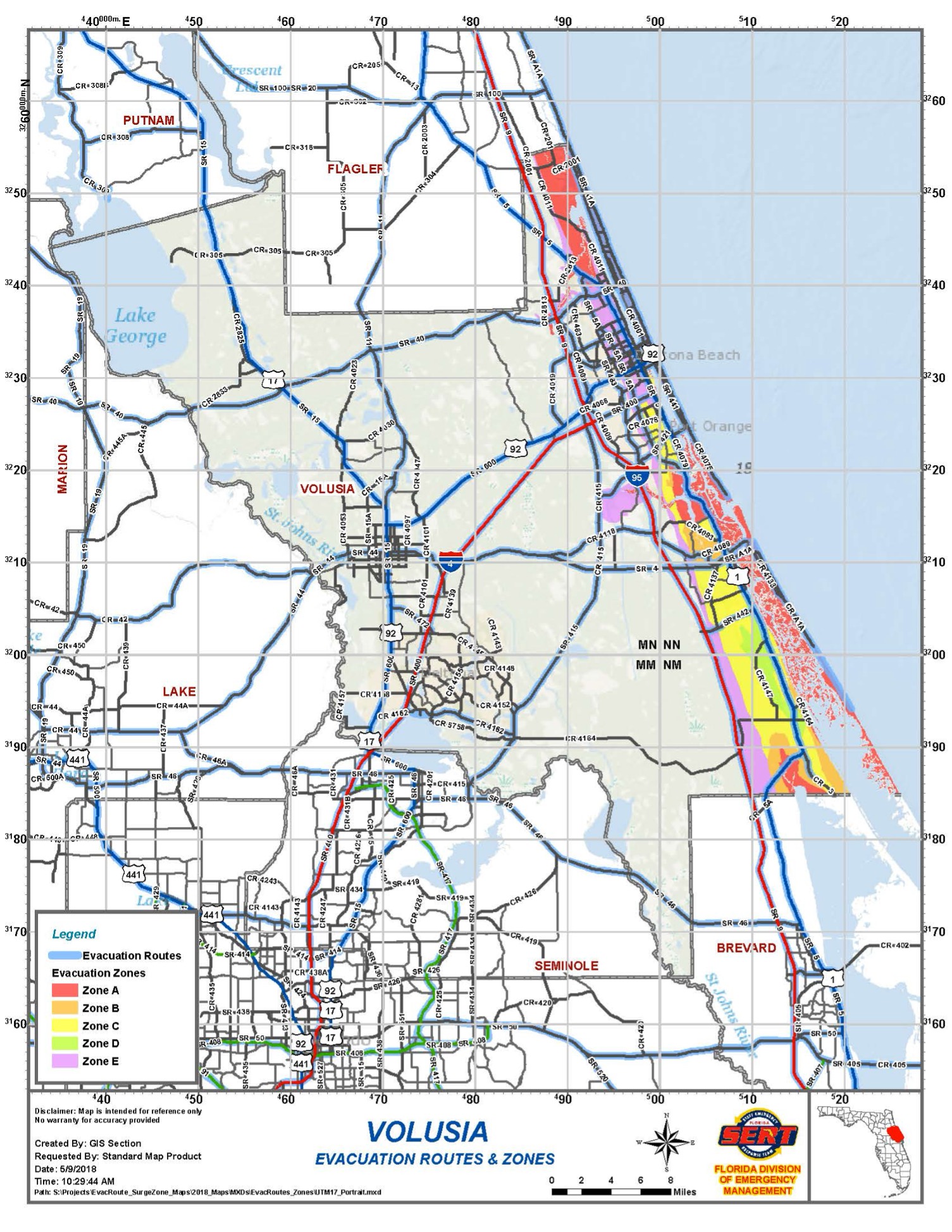
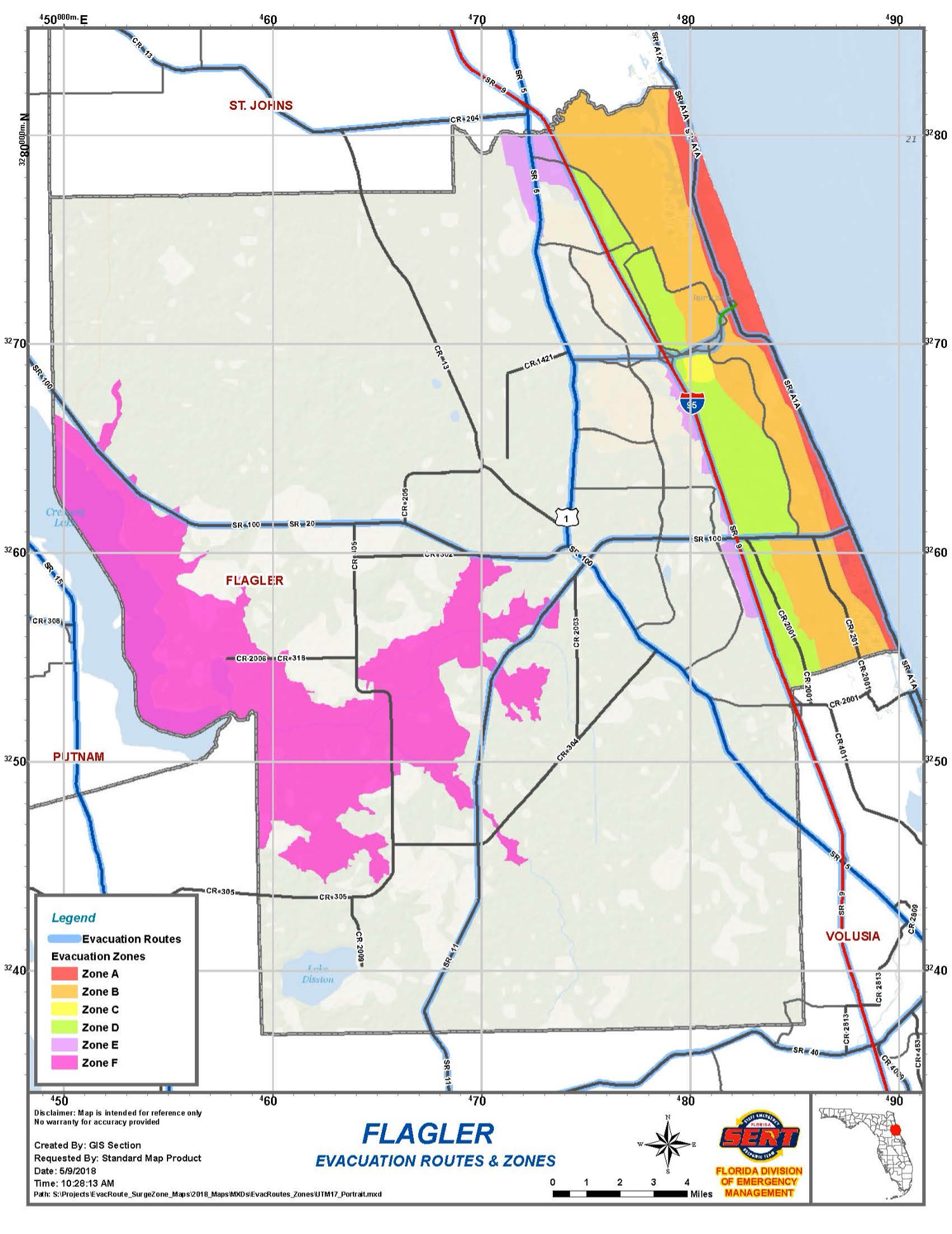
DeLand Campus - Building 8 and the Deltona Center’s west wing are shelters when designated available by the Volusia County EOC.
For information on local shelters:
Shelter Opening
The local emergency management agency alerts the Red Cross and other county agencies about the imminent need to open emergency shelters. Emergency management agencies work with the Red Cross to decide which shelters to open, and when they will open.
During an emergency, not all shelters will open at once. To find out which shelters are available, tune to the local news media, or during an emergency call.
Volusia County Citizen’s Information Hotline
- (866) 345-0345
- Telecommunications Device for the Deaf: (386) 248-1792
Flagler County Emergency Information Line
- (386) 586-5111
Transportation
The Volusia County School Board and Votran will provide free rides to general public shelters. Pick up will be made at all regular Votran bus stops.
Evacuees
Shelter residents are asked to bring their own bedding, flashlights, prescription medicines, and other personal care items.
Pet Shelter
Pets are only permitted at designated shelters. In Volusia County, people and their pets are housed in the same location at the Volusia County Fairgrounds. Bring bedding and snack foods that do not require refrigeration. Cots are not provided. All companion animals must have a current license, vaccinations, identification and rabies tags. They must be confined in pet carriers or crates and must always be under control at the facility. Transportation to the shelter is provided at regular Votran bus stops as long as animals are crated.
Shelter Closing
After a disaster, Red Cross volunteers take responsibility for closing the shelter locations. This includes cleaning up debris, packing up Red Cross supplies, and transporting supplies back to their headquarters.
| Actions | Responsibility |
|
Campus Safety Facilities Services Campus Safety |
What to Expect in a Shelter
General population shelters are stocked with basic necessities including food, water, and a warm place to sleep. However, shelters will not be able to provide a level of convenience comparable to a home or hotel. Oftentimes, shelters can be crowded, noisy, boring, short-staffed and have very little privacy. Always keep safety in mind while in a shelter and avoid bringing valuables.
Most shelters only permit service animals, not pets. If you are evacuating to a shelter with your pets, find a shelter that is indicated as pet friendly.
Special Needs Shelters
Physically, mentally and sensory disabled residents and those who need supplemental oxygen should register before a disaster for a special needs shelter program. Click here to register at the Florida Online Special Needs Registry.
Evacuees should be accompanied by a caregiver if this type of assistance normally is needed.
Special needs shelters are not for isolation patients or people who need 24-hour dedicated care, a hospital bed, ventilator, or other complex care. These individuals should discuss other shelter arrangements with their physician or home health service provider or caregiver.
More Information on special needs shelters:
- Click here for more information about Volusia County special needs shelters.
- Click here for more information about Flagler County special needs shelters.
Some Items to Bring to a Shelter
- A 30-day supply of all required medications and copies of all prescription information.
- Medical equipment and supplies (oxygen tanks, etc.) required to sustain the special needs of an individual for a minimum of two weeks
- Food and snacks required for a special diet, (non-perishable).
- Medical information including the name and phone number of medical provider/doctor, home health agency, copies of your medical insurance and/or Medicare and Medicaid cards
- Personal information (identification with photo and current address, Social Security card, insurance papers, emergency contacts and any other valuable papers)
- Pillows, blankets, sleeping pads, diapers, toiletry items, extra clothing.
- Flashlight and batteries
- Non-perishable snacks, comfort food, water or other non-alcoholic beverages.
- Time occupiers such as books, magazines, games or cards. (Remember you are advised against bringing valuable and/or expensive items.)
For more information on emergency / disaster preparedness, visit
Emergency Notification
During a sudden severe weather emergency, such as a tornado, Daytona State College uses the following systems to quickly notify the College community of danger and to provide clear information and instructions.
- DSC Alert Emergency Notification System
Notification via text messages, phone calls, and emails to all Daytona State College students and employees.
- DSC Informacast Emergency Notification System.
Notification via message alerts to indoor and outdoor speakers and all IP network phone speakers throughout Daytona State College campuses.
- Portable Loudspeakers (Bullhorns)
Bullhorns are available for deployment to Campus Safety officers to disseminate instructions during an emergency
Before and after a hurricane, information and updates regarding the status of the College will be provided to students and employees through the DSC Alert system, official Daytona State College Facebook and Instagram accounts, DaytonaState.edu, and the Daytona State College HELP Line at (386) 506-HELP.
Student Residence Hall Hurricane Response
The Daytona State College Student Residence Hall is located on the Daytona Beach Campus at 1200 West International Speedway Blvd, Daytona Beach, FL. Centered in the heart of the main Daytona Beach Campus, the Student Residence Hall provides state-of-the-art living, study, and recreational space and has 24-hour staff support and security.
Preparing
Students moving into the Student Residence Hall are encouraged to develop a personal disaster plan. Information about hurricane and natural disaster preparedness can be found on The Florida Division of Emergency Management’s website at www.floridadisaster.org. This website provides step instructions on preparing in advance for a disaster and making a personal disaster plan.
As part of this plan, students are advised to make arrangements for where they will go in the event the Student Residence Hall is evacuated. Students may discuss any questions or concerns they have regarding evacuation in advance with the Residence Life Coordinator and Resident Assistants.
Before the Storm
The Daytona State College Critical Incident Management (CIM) Team monitors tropical activity and is activated whenever the potential exists for tropical weather to impact our area. The CIM Team will make decisions on the status and response of the College, including whether the Student Residence Hall will be evacuated. Decisions are based on factors such as the likelihood and potential strength of the impact.
During this time, students should be prepared to implement their personal disaster plan.
The CIM Team may order a mandatory evacuation of the Student Residence Hall before any evacuation orders are issued by local emergency management officials.
Evacuation
When the CIM Team issues the order to evacuate the Student Residence Hall, students will be notified directly by the College.
If a local evacuation order is in place, students should use proper evacuation routes specified by local emergency management officials. Click here for Volusia County Emergency Management evacuation and shelter information.
Students who need to use a local shelter may contact the Residence Life Coordinator for assistance in locating a shelter. Prior to sheltering, these students should obtain an adequate supply of all medications they require.
Before leaving the Student Residence Hall, students should properly dispose of all perishable foods and beverages.
Students should not leave behind any expensive portable electronic devices, money, or valuable personal items. Before leaving, students should make sure the doors to their residences are closed and locked.
Communication
Residence Life will communicate specific updates to student residents in the Residence Hall throughout the entire weather emergency event. The College will send out communications before and after a hurricane via text and email using the DSC Alert system. Students are enrolled in the DSC Alert system upon enrolling in classes. The DSC Alert system uses contact information students have on file with the college. Instructions on updating contact information are available here.
For more information on the DSC Alert System, email DSCAlert@DaytonaState.edu.
Updates on the status of the College will be available on the College website at DaytonaState.edu.
Messages on the status of the College during an emergency will also be available at (386) 506-HELP (4357).
After the Storm
After the storm passes, students who have evacuated the Student Residence Hall should continue to monitor official Daytona State College communications on the status of the College.
If the storm affects our area, Daytona State College Campus Safety and Facilities Services personnel will inspect the Student Residence Hall to determine whether it is safe for students to return.
When the CIM Team determines that students may return to the Student Residence Hall, students will be notified directly by the College.
Students cannot return to the Student Residence Hall until authorized by the College.
Upon returning to the Student Residence Hall, students should report any dangerous conditions, damage, loss of property, or any other related issues they encounter.
Students may always contact Campus Safety for assistance at (386) 506-4444.
Shelter-In-Place
Daytona State College uses the term Shelter-In-Place to refer to seeking immediate indoor shelter and remaining there during an emergency when a sudden outdoor hazard, such as a weather emergency, (e.g. tornado or high winds), or chemical cloud, makes evacuating unsafe.
Shelter-in-Place Recommendations for Weather Emergencies
- Try to reach the lowest level of the building that time allows.
- Seek shelter a safe room or area in the interior of the building
- Put as many walls as possible between yourself and the outer walls of the building.
- Stay away from windows and glass.
- Flying debris is a potential danger. Consider the potential for flying debris, large, heavy objects falling from above you, etc. when choosing a room for shelter.
- Do not open windows.
- Close the door and go to center of room.
- When possible, get under something sturdy
- Cover your head with a blanket, pad, or cushion, if available. If nothing is available, cover your head with your arms and hands.
- Remain in shelter until given an “all clear” by authorities
(Do not assume a calm in winds means the danger has passed).
Tornado Safety
- D.U.C.K.
- Down to the lowest level.
- Get to an interior room on the lowest floor of the building possible, away from windows, glass, and potential flying or falling debris.
- Under something sturdy.
- If possible, get under something sturdy enough to protect you from falling debris
- Cover your head.
- Use whatever is available, (cushion, blanket, etc.), or your arms.
- Keep in shelter.
- Do not leave shelter because you’ve heard the weather calm. Stay in shelter until you are advised that the danger has passed.
- Get out of automobiles and mobile homes
- Most deaths from tornadoes occur in automobiles and mobile homes.
- Find a sturdy structure if possible.
- If no sturdy structure is available, lie flat in the nearest ditch or depression and cover your head with your arms/hands. Be alert for flash floods.
- Down to the lowest level.
Post-Storm Safety
Don’t leave shelter too soon
- Stay in shelter until the winds have stopped.
- Falling tree limbs and other debris can be deadly.
- Debris such as tree limbs weakened by the storm can fall even when wind speeds start to decrease as the storm passes.
Be careful during clean-up and repairs
- Wear protective clothing and work with someone else.
- Avoid wading in floodwater, which may contain dangerous debris or may be electrically charged by downed or underground power lines.
- Falls from portable ladders (step, straight, combination and extension) are one of the leading causes of occupational fatalities and injuries. Learn portable ladder safety, especially if you are not used to working on a ladder.
Electrical Safety
- Never use or touch electrical equipment when it is wet or when you are standing in water. Remember that floodwaters can be electrically charged by downed power lines.
- If water has been present anywhere near electrical circuits or equipment, turn off power at the main breaker or fuse on the service panel. Do not turn the power back on until the equipment has been inspected by a qualified electrician.
- Improper use of generators after a storm causes a risk of electrocution for line workers,
other repair workers, and people in nearby buildings.
- When using a portable generator for a residence, use heavy-duty, outdoor extension cords with an adequate wire gauge to plug appliances directly into the outlets on a generator that is positioned outside of the structure. Do not plug the generator into a wall outlet.
- When using a gasoline or diesel generator to supply power to a structure, make sure the main breaker or fuse on the service panel is in the off position prior to starting the generator.
Carbon Monoxide Safety
- Never use a generator inside your home or garage, even if the windows are open. Only use generators outside, more than 20 feet away from your home.
- Fumes can kill. Do not use grills inside your home. Keep grills at least 20 feet from your home. Do not heat your home with a gas oven.
- Never run a vehicle inside your garage, even with the garage door open.
- Consider installing battery operated or battery-backup carbon monoxide detectors near every sleeping area of your home.
Flood Safety
- Always follow warnings about flooded roads.
- Don’t drive through floodwater– it may be deeper than you think.
- A shallow depth of fast-moving floodwater produces more force than most people imagine. Even six inches of swiftly moving water can knock you off your feet, and two feet of water will carry away most automobiles.
- Keep in mind that floodwater can contain:
- Downed power lines
- Human and livestock waste
- Household, medical, and industrial hazardous waste (chemical, biological, and radiological)
- Coal ash waste that can contain carcinogenic compounds such as arsenic, chromium, and mercury
- Other contaminants that can lead to illness
- Objects such as lumber, vehicles, glass, metal fragments, and other debris
- Wild or stray animals such as rodents and snakes
- If you come in contact with floodwater:
- Wash the area with soap and clean water as soon as possible. If you don’t have soap or water, use alcohol-based wipes or sanitizer.
- Take care of wounds and seek medical attention if necessary.
- Wash clothes contaminated with flood or sewage water in hot water and detergent before reusing them.
- If you must enter floodwater, wear rubber boots, rubber gloves and goggles.
Food Safety
- When in doubt, throw it out. Throw away the following foods after a hurricane:
- Food that has an unusual odor, color, or texture.
- Perishable foods (including meat, poultry, fish, eggs and leftovers) in your refrigerator when the power has been off for 4 hours or more.
- Food not in packages or cans.
- Canned foods or food containers that are bulging, opened, or damaged.
- Packaged food: Throw away food containers with screw-caps, snap-lids, crimped caps, twist caps, flip tops, and snap-open, and home-canned foods. Throw away food in cardboard containers, including juice/milk/baby formula boxes.
Water Safety
- Listen for announcements from local officials to find out what to do. They will tell you if there are germs and/or chemicals in the water.
- Boil water if instructed. Boil it for at least one minute (start counting when the water comes to a constant boil). Let the water cool sufficiently before drinking. Boiling kills germs in the water.
- Use bottled water if instructed. Sometimes after a disaster, there may be chemicals in the water that boiling cannot remove.
- Do not use water you suspect or have been told is contaminated to wash dishes, brush your teeth, wash and prepare food, wash your hands, make ice, or make baby formula.
Animal and Insect-Related Hazards
- Avoid wild or stray animals. Call local authorities to handle animals.
- Secure food sources and items that may attract animals and provide shelter for rodents.
- Be aware that snakes may be swimming in water or hiding under debris.
- The types of mosquitoes that spread viruses may increase two weeks to two months after
a storm. To prevent mosquito bites:
- Use an EPA-registered mosquito repellent.
- Wear long-sleeved shirts and pants.
- Remove items outdoors that hold water where mosquitos can breed.
Beware of Scams
- To report any suspected fraud, call the FEMA Disaster Fraud Hotline at 1-866-720-5721
- Only deal with licensed, insured, reputable contractors. Never pay large amounts of money up front. Get a written contract detailing the work that will be done, the materials that will be used and the prices for labor and materials.
- Never sign over the right for a contractor to deal directly with your insurance company, (assignment of benefits), without making sure the contractor is reputable. Research assignment of benefits (AOB) scams, which are very common after a disaster.
- Beware of fake flood insurance phone calls. Contact your insurance company directly before giving any information or payment.
- Beware of imposters posing as FEMA inspectors. FEMA never charges for home inspections, and the only information they request is a nine-digit FEMA registration code. Call FEMA if you are suspicious of someone claiming to be a FEMA inspector.
Other Considerations
- One of the most common causes of deaths after a hurricane is exacerbation of existing medical conditions due to factors such as stress and anxiety, heat and interruption of medical treatment.
- Make sure your preparation includes refilling prescriptions, having a plan if your treatment is dependent on electricity, and other necessary preparations related to your health care.
- Consider strategies to manage stress and anxiety.
- Don’t overdo it on cleanup and repairs and stay hydrated.
Enhanced Fujita (EF) Tornado Damage Scale
Implemented Feb. 1, 2007 as an update to the original Fujita (F) Scale
| SCALE | WIND SPEED (mph) | TYPICAL DAMAGE |
| EF0 | 65-85 |
Minor damage Peels surface off some roofs; some damage to gutters or siding; branches broken off trees; shallow-rooted trees pushed over. Confirmed tornadoes with no reported damage (i.e., those that remain in open fields) are always rated EF0. |
| EF1 | 86-110 |
Moderate damage Roofs severely stripped; mobile homes overturned or badly damaged; loss of exterior doors; windows and other glass broken. Moving automobiles pushed off of road. |
| EF2 | 111-135 |
Considerable damage Roofs torn off frame houses; mobile homes demolished; boxcars overturned; large trees snapped or uprooted; light-object missiles generated; cars lifted off ground. |
| EF3 | 136-165 |
Severe damage Entire stories of well-constructed houses destroyed; severe damage to large buildings such as shopping malls; trains overturned; trees debarked; heavy cars lifted off the ground and thrown; structures with weak foundations blown away some distance. |
| EF4 | 166-200 |
Devastating damage Well-constructed houses leveled; structures with weak foundations blown away some distance; cars thrown and large missiles generated. |
| EF5 | >200 |
Incredible damage Strong frame houses leveled off foundations and swept away; automobile-sized missiles fly through the air in excess of 100 meters (109 yds.); trees debarked; incredible phenomena will occur. |
Atlantic Seasonal Forecast for 2026 Hurricane Activity
| Forecast Parameters | 2026 Forecast | 1991-2020 Average |
| Named Storms | 13 | 14.4 |
| Named Storm Days | 55 | 69.4 |
| Hurricanes | 6 | 7.2 |
| Hurricane Days | 20 | 27.0 |
| Major Hurricanes | 2 | 3.2 |
| Major Hurricanes Days | 5 | 7.4 |
| Accumulated Cyclone Energy | 90 | 123 |
| Ace West of 60 Degrees Longitude | 50 | 73 |
Colorado State University Tropical Weather & Climate Research
More Helpful Websites
-
FEMA Mobile App - www.fema.gov/mobile-app (On the App Store and Google Play)
-
American Red Cross Mobile Apps - http://www.redcross.org/prepare/mobile-apps
-
National Weather Service National Hurricane Center -https://www.nhc.noaa.gov
-
American Red Cross Hurricane Preparedness - http://www.redcross.org/get-help/how-to-prepare-for-emergencies/types-of-emergencies/hurricane
- Florida Division of Emergency Management Plan and Prepare - www.floridadisaster.org/planprepare
- WESH Hurricane Page - http://www.wesh.com/hurricanes
- The Weather Channel - http://www.weather.com